book review · Phi
Phi
2026-07-01 · 3 min read
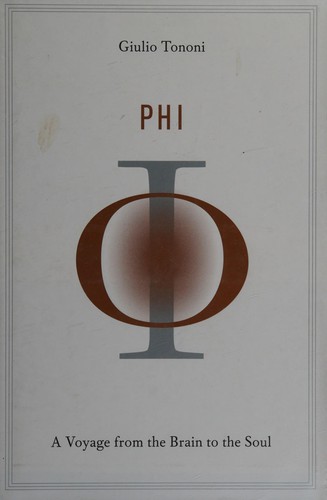
Tononi’s the neuroscientist behind Integrated Information Theory, the phi in the title, and instead of writing a straightforward popular science book he built this strange hybrid where Galileo gets guided through a series of poetic, dreamlike scenarios by historical figures, Francis Crick, Alan Turing, Charles Darwin, each illustrating some facet of consciousness or the brain. Every chapter follows the same rhythm, a lyrical narrative section followed by a denser “notes” section where the actual scientific content gets unpacked more plainly.
I liked the ambition more than the execution, honestly. The concept is genuinely original, and I mean that, I haven’t read anything else structured quite like it, closer to a scientific Inferno than a textbook. But I came away not entirely sure who it’s for. If you already know the neuroscience, a lot of the allegorical staging reads as decoration around ideas you could get more directly elsewhere. If you don’t know the neuroscience going in, some of the denser notes sections still assume more background than the poetic framing prepares you for. I’ve seen this same tension called out by other readers, comparisons to Godel, Escher, Bach and Sophie’s World come up a lot, and I think that’s fair, it’s chasing something similar to both and doesn’t quite land as cleanly as either.
Where it worked best for me was the middle stretch on integrated information itself, the actual concept of phi as a measure of how much a system’s parts function as more than their sum. That part earned my attention. The artwork throughout is genuinely beautiful too, worth flipping through even if the prose loses you.
Interesting book, imperfect execution. I’d recommend it to someone who already has a foothold in the subject and wants a stranger, more artful way back into it, not as a first introduction.